What is the Youth Panel?
LifeLab was established to help improve the choices young people make about their own health, and their lifelong impacts on them and their children. Our approach has always been to:
- enable young people to make choices through their own scientific discovery
- supporting them in acquiring those skills
- evaluating information
- acting on what they find out
The success of our approach has been through working closely with young people and educators to ensure our programmes, opportunities and qualifications continue to be relevant and useful. We hope to equip future generations with not only a better understanding of the impact of their health choices, but also develop the skills for lifelong learning and provide inspiration for young people to make a difference in their own communities. To help us achieve this goal, it is crucial that our work is shaped and developed with young people. The Youth Panel was established to allow us to co-create our work directly with young people.
What have the Youth Panels been up to?
Clinical trial videos
Summer term 2022 (Academic year 21/22)
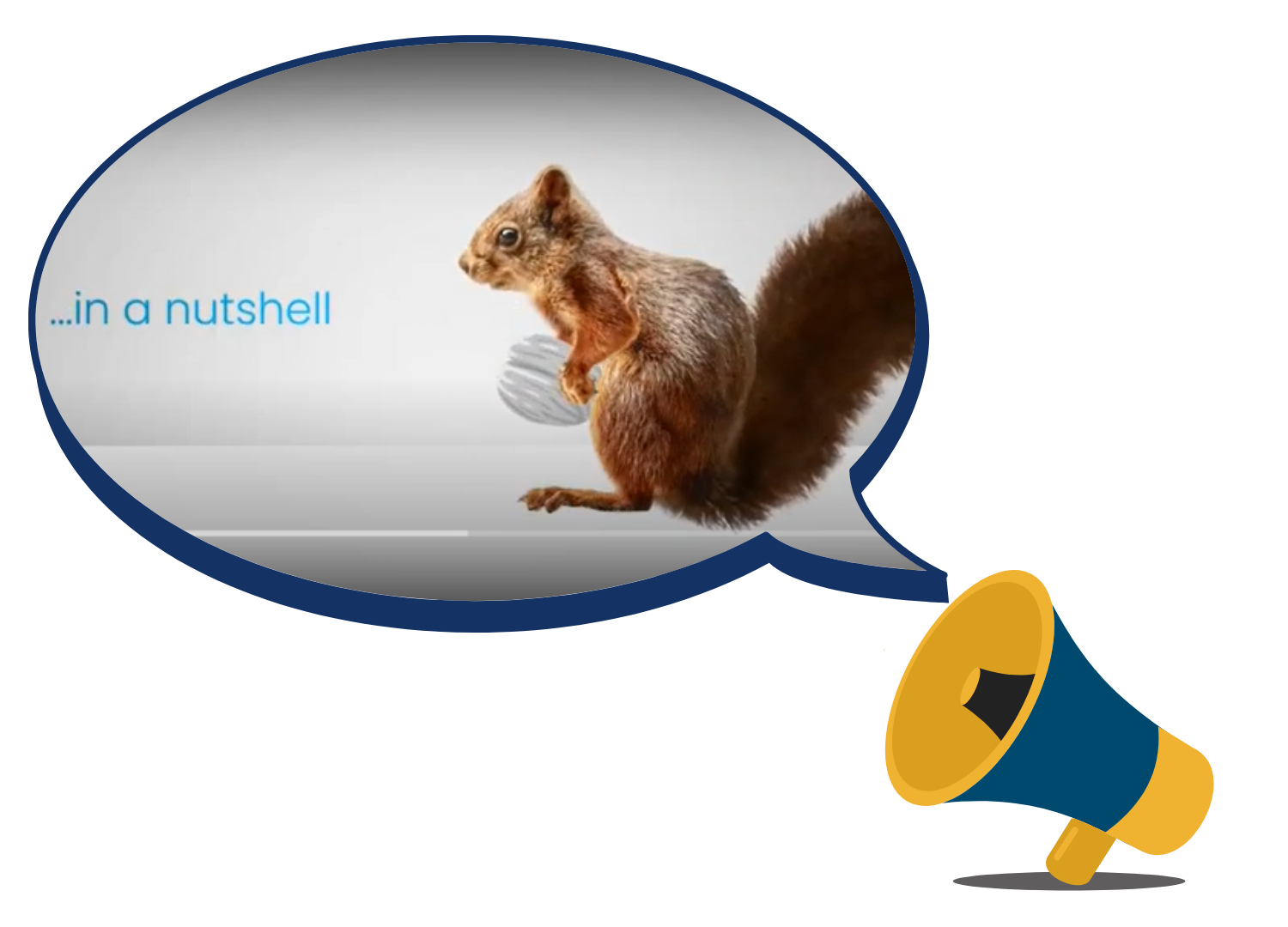
The very first Youth Panel was tasked with co-creating a series of animations to describe what clinical research is to our teenage audience, along with producing specific research stories. The panel formed the concept for an ‘In a nutshell’ series. Over three animations, the scurry of squirrels take the audience through three topics:
- what is clinical research?
- why is clinical research important?
- and importantly, how to get involved with clinical research.

The inaugural LifeLab Youth Panel met online with the team over the 12 weeks of the summer term to find out more about the clinical research happening in Southampton. Supported by the research and development team within University Hospital Southampton NHS Trust, the panel were tasked with co-creating a series of three animations, aimed at inspiring Southampton communities with clinical research, informing people about what clinical research is and how and why people can get involved.
The three squirrel themed animations were created by the panellists working with RCM Agency. To develop them, the students worked with the Lifelab team to conduct research into the questions the animations needed to answer. They looked at clinical research websites and spoke to scientists and researchers in the NIHR Biomedical Research Centre to find out more about clinical research. Discussing amongst themselves, and with the animator, the panel formed the concept for the ‘In a nutshell’ series.
The animations have subtitles which have also been translated into several other languages: Farsi, Punjabi, Polish, Romanian and Russian.
The animations are being promoted through the panellist’s school communities, on social media and through the NIHR Biomedical Research Centre.
LifeLab Youth Panels are an initiative set up by the programme to engage with young people and get them actively involved in creating and implementing solutions that could improve their own health and that of their peers.
Youth Panel members are formally employed by the University and paid for their time, making participation appealing as a first job for many of the applicants who can be aged from 14.
Being part of a Youth Panel provides students with the opportunity to:
- contribute their ideas, perspectives and experiences of health issues
- work in a team
- communicate effectively
- maintain confidentiality
What is clinical research?
Why is clinical research important?
How can I take part in clinical research?
Exam wellbeing

Autumn term 2022 (Academic year 22/23)
This Youth Panel created and produced an online, interactive guide for students aimed at helping them navigate exam stress and look after their mental and physical health during the stressful exam period. This digital resource covers topic areas including:
- healthy eating
- sleeping
- time management
- ideas, strategies, and tips to manage exam pressure and anxiety

Vaping resources
Spring and summer term 2023 (Academic year 22/23)
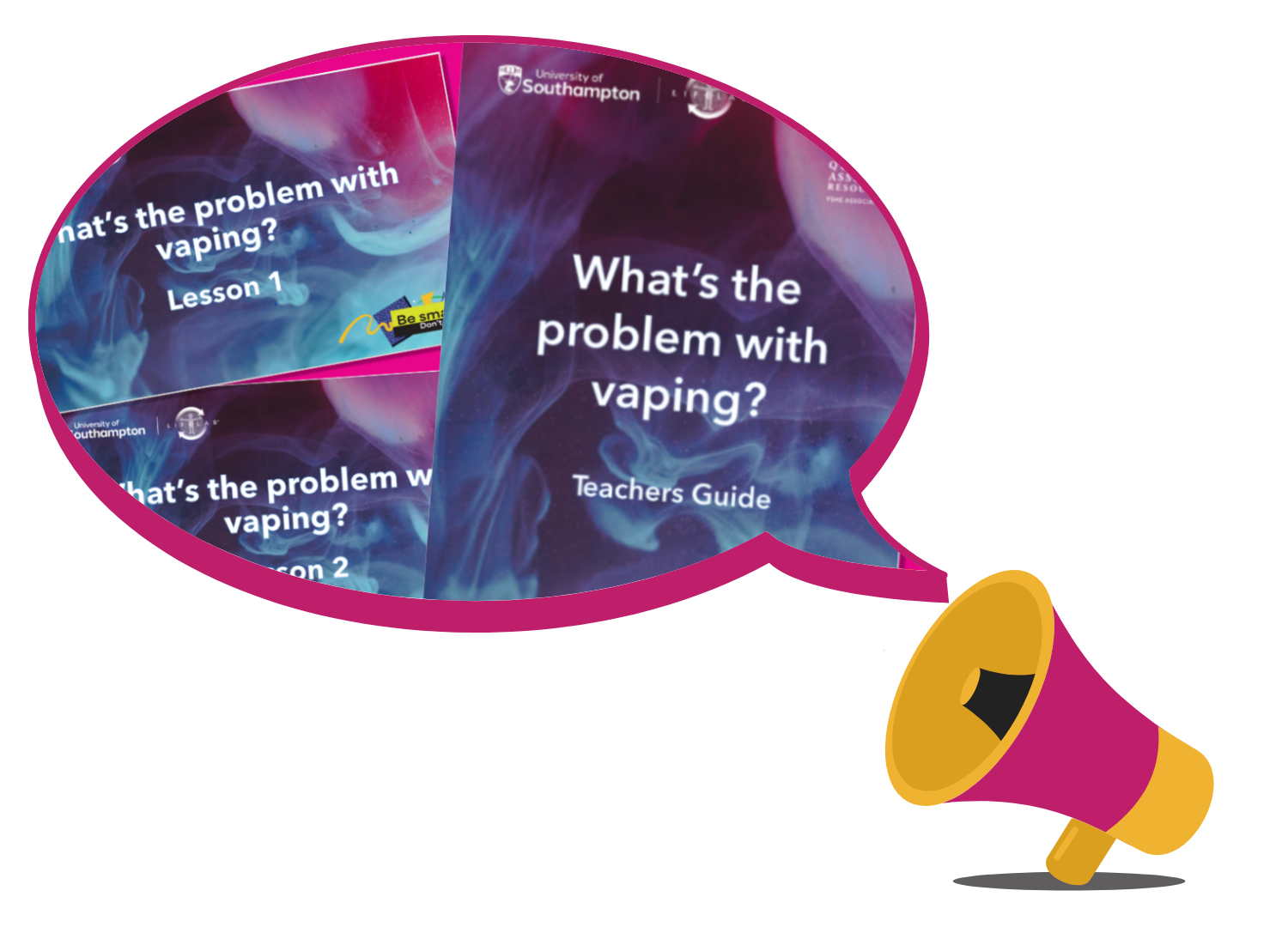
Our Youth Panels asked ‘What’s the problem with vaping?’ They discussed:
- their thoughts, opinions, and ideas around vaping
- solutions to educate and inform
- signposting for young people who want to stop
Using feedback from focus groups and input from staff in the Faculty of Medicine and NIHR Biomedical Research Centre, who provided clinical and research expertise, they created resources to ensure messages are effective, engaging and meaningful to the young people we are trying to reach.
- read our policy brief “How young people see vaping”
- Check out the resources here.


Our Youth Panel worked with South Point to design and create a 360° VR experience.
It’s pollution, what’s the solution? Vape free is the way to be!
This virtual reality animated video aims to help young people develop an awareness of the pressures and influences around vaping, by highlighting the influences and the pressures young people experience.
360° video (click and drag to look around)
VR vaping experience 2D
NxtGen (previously Young Researchers Training Programme)

Summer holidays 2023 and autumn term 2023 (Academic year 23/24)
NxtGen was born from the recognition that if we are going to produce meaningful research that will benefit young people, we need young people to tell us what is important to them and to work with us to decide what the research should be, how it should be carried out and how it should be communicated.
This group of young people piloted the programme, and a series of videos were produced to be used as part of NxtGen delivery. This Youth Panel was a pivotal part in the co-creation of not only the overall course, but also the details of each session.

