When a work experience request lands in your inbox, it often means risk assessments, safeguarding paperwork, insurance forms, and a full week of supervision. For researchers already juggling experiments, deadlines, and teaching, the administrative burden can be overwhelming.
Our traditional model has unintentionally created inequalities. Students with family connections in research can more easily secure placements – when a request comes from a friend or colleague, you’re more likely to see past the hassles and find the time to help. Meanwhile, other young people who are equally curious and capable, but don’t have parents who know researchers personally or feel comfortable asking for favours, struggle to find opportunities. For young people without that social capital, there is no easy way in.
A better way forward
A few years ago, the Faculty of Medicine developed a new approach to make work experience fairer and more manageable. The intention was to create a smoother, more equitable system where any young person could access opportunities, regardless of who they knew. At LifeLab, we’ve taken this further. For any young person who’s taken part in one of our programmes, whether that’s a school visit, our Experience Medicine summer school, the Youth Panel, or NxtGen Researcher programme, we act as the host for their work experience week.
What this means for researchers
- LifeLab takes care of risk assessments, insurance, and safeguarding, so you don’t have to navigate the paperwork.
- you only commit to one or two days, not a full week – just enough to give a young person a meaningful glimpse into your work.
- each student experiences five different placements across their week, perhaps a day in a cancer research lab, another exploring imaging techniques in the Biomedical Imaging Unit, a session on health communications, or helping out at LifeLab.
This structure gives students breadth and researchers flexibility, a model that works for everyone.
Why this benefits everyone
At 14 to 16 years old, most young people don’t yet know what kind of science excites them. Experiencing a range of disciplines helps them see that research isn’t just lab coats, it’s also data analysis, communication, and community engagement.
“Every day was a new placement, and I could see how different roles all contribute to discoveries. It really opened my eyes to careers I didn’t even know existed.”
Real impact on students
Feedback from students has been overwhelmingly positive. All rate their experience 4 or 5 out of 5, and many say it’s changed how they see their future, encouraging them to think about careers in healthcare professions and research.
“It opened my eyes and made me develop a new passion for medical lab research, something I’d never considered before.”
“It shows how much perseverance and passion is needed in research, but it also made me appreciate everything that goes on behind the scenes.”
Impact on researchers
Explaining your work to someone discovering it for the first time can be genuinely energising and watching that spark of curiosity ignite in a young person’s eyes is a powerful experience.
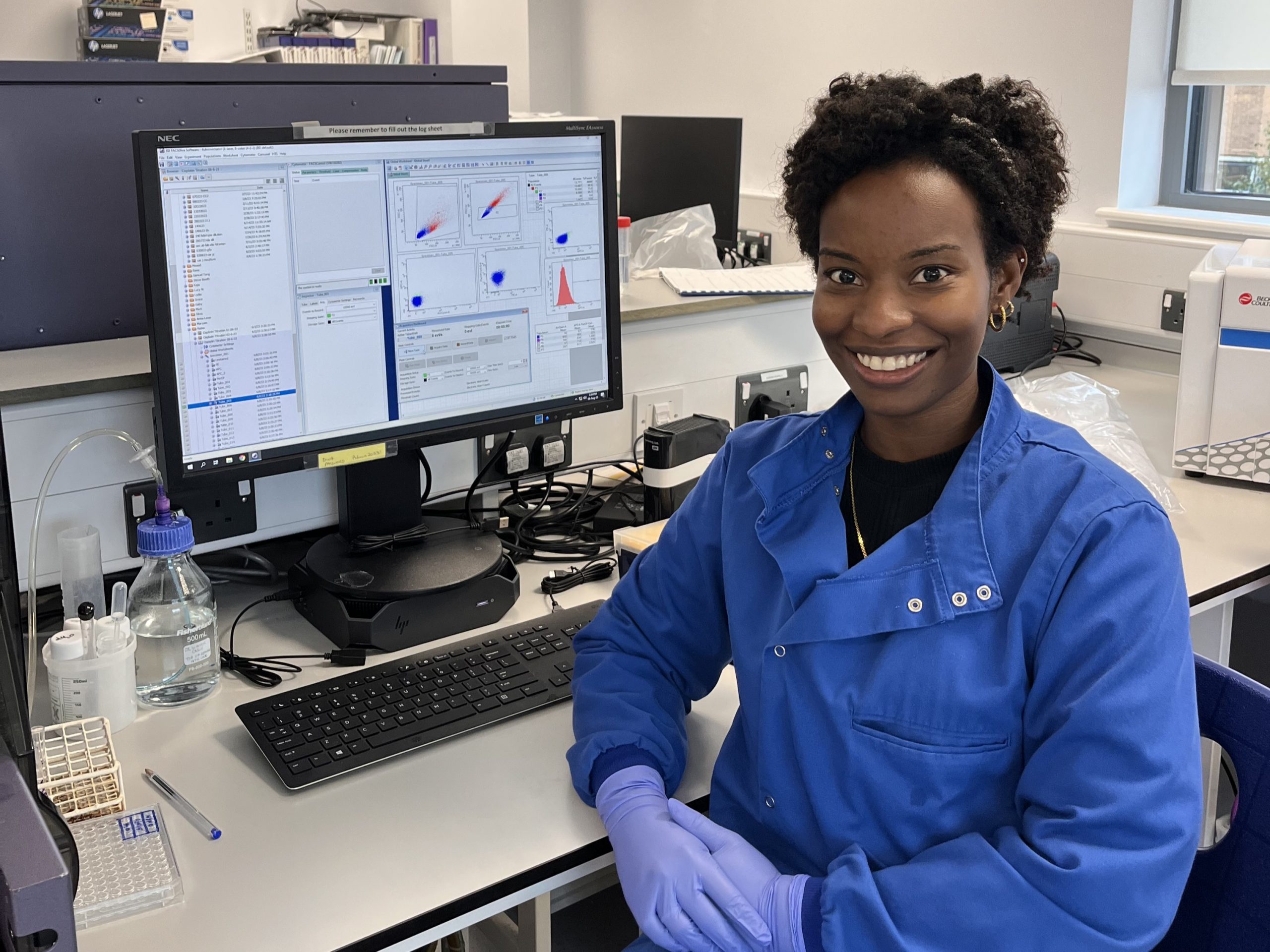
“It was a pleasure to host him. He asked great questions and helped with experiments, and appeared to be very interested in the work we are doing.”
– PhD student Nubia Castillo Mosquera on hosting a work
experience student at the Centre for Cancer Immunology
“It showed me so many more options for careers in science. My favourite part was getting hands-on in the lab.”
– work experience student
How to get involved
If you work at the University of Southampton or University Hospital Southampton, getting involved is straightforward. We’ve had researchers, communications teams, technicians all host students, anyone can take part! If you fancy offering a young person an opportunity and want to showcase the work you do, here’s how:
- let us know you’re open to hosting a LifeLab work experience student for one or two days, email us at lifelab@soton.ac.uk.
- LifeLab handles all the admin and coordinates the week
- on your day, you collect your student from LifeLab, show them your work, and bring them back at the end of the day
If you’d like to host a student independently, you can still do so via the Faculty of Medicine’s work experience process – ensuring every young person has access to meaningful, safe opportunities in research and healthcare.