A group of young people have called on Hampshire and Isle of Wight health leaders to collaborate with them on policies for their age group.
The group of 15 made the call while taking part in the NxtGen Researcher Programme. The programme is jointly led by Professors Matt Ryan and Mary Barker at the University of Southampton. Professor Barker is part of LifeLab’s board of directors.
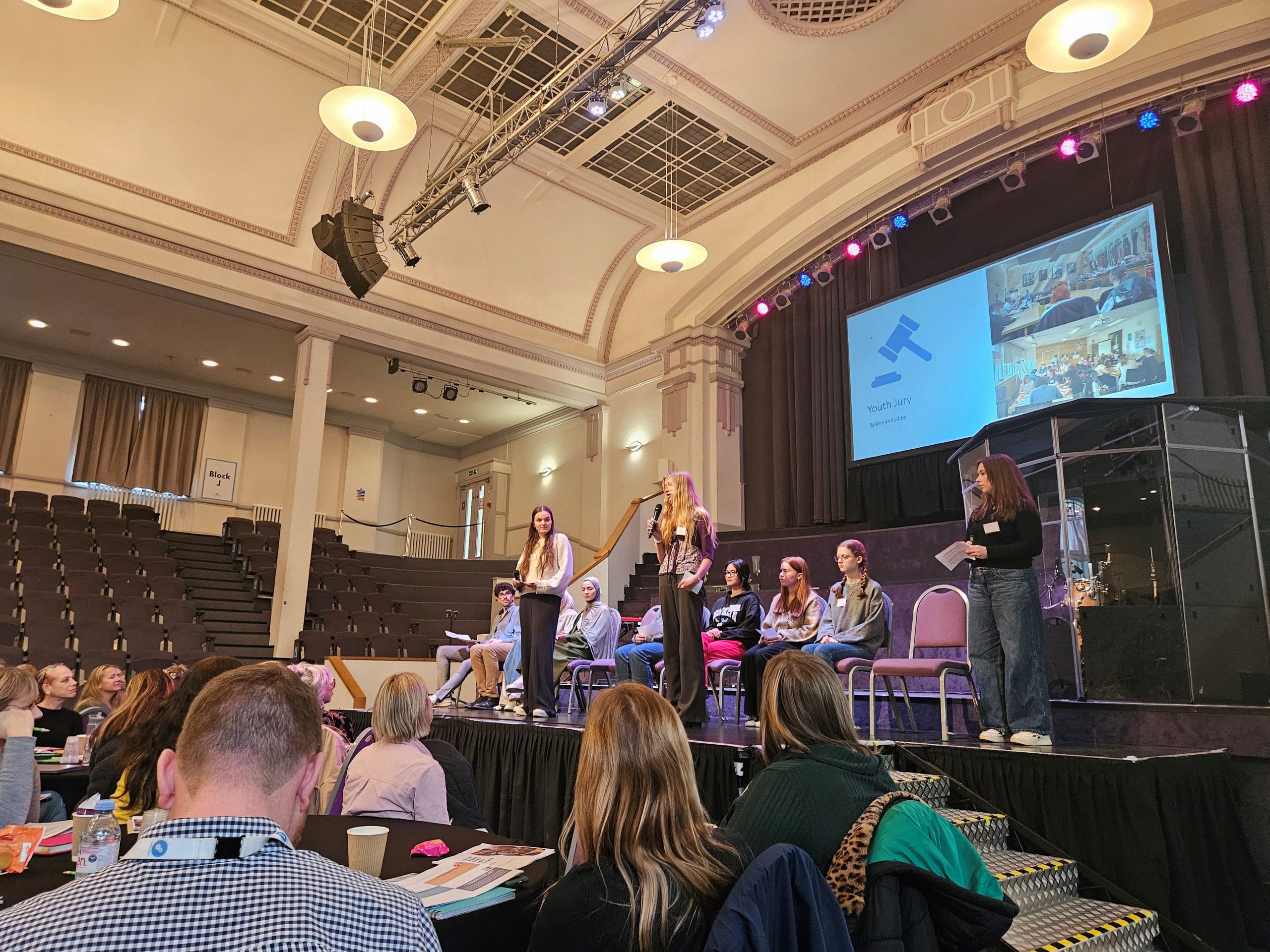
Presenting their recommendations
The young people said it was important to engage with them on the health and social care issues that affect them. They say this, along with listening to their lived experiences, will lead to positive changes in the community.
The 16-week YRTP took place in the summer term. It culminated in a citizen’s jury, where the young people interrogated members of the Hampshire and the Isle of Wight Integrated Care Board (ICB).
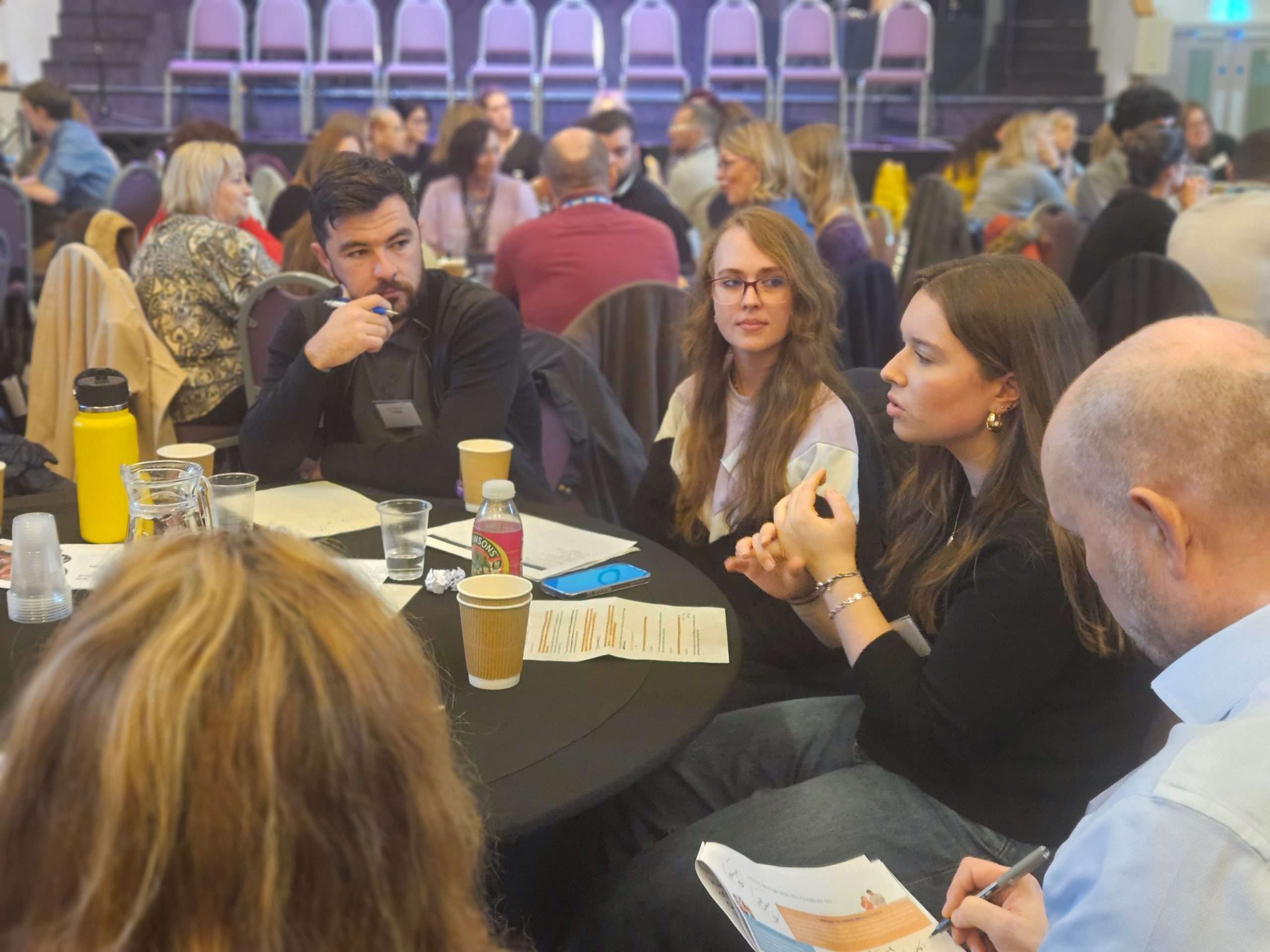
The young people then presented 12 policy recommendations from the citizen’s jury at an assembly in November. Around 90 professionals attended from local organisations invested in children and young people. They included professionals from the ICB and Integrated Care Partnership (ICP).
The recommendations covered a range of issues affecting local young people. They included responding to vaping proactively and producing youth-led marketing of health programmes. The young people suggested expanding extra-curricular wellness activities. They also recommended encouraging the mixed teaching of Sexual and Reproductive Education.
“Young people want to and deserve to be involved in decisions that impact their health and futures. We believe that the people who sit in positions of power must prioritise consulting with young people if they want their decisions to have real change and make a positive impact.”
– Talitha McCleery, 17
“We must all work together – school boards, local government, local charities and national non-governmental organisations – to ensure no opportunity is left wasted.”
– Libby Tickner, 17
Presenting their recommendations
The YRTP aims to develop research and advocacy skills in young people. This equips them with tools to support their academic and employment journeys and beyond. This year’s programme focused on identifying and researching issues that mattered most to the participants and their peers.
One YRTP group developed a range of health and social care priorities for young people. To do this, they worked with community groups and health and social scientists and conducted research with their peers. They used research techniques such as focus groups, surveys and secondary data analysis.
They took part in a special three-day deliberative workshop in the summer. At this, they interrogated local health leaders. This helped them refine priorities and produce a set of policy recommendations to improve young people’s health. These were then presented at the assembly in November.
Professor Barker is Professor of Psychology and Behavioural Science. She is also Deputy Director of the Institute for Life Sciences.
“We know that involving the public in research and the direction of research makes a world of difference, but we don’t do this enough with younger age groups. We feel that since policies are made about young people, they should be allowed to have their say on the health priorities that are important to them. The quality of research undertaken by the YRTP was extremely high. They carried out qualitative and quantitative research, had robust debates and as a result were able to develop skills that will support them in their future.”
– Professor Mary Barker, Deputy Director of the Institute of Life Sciences
Giving young people a voice
The group’s recommendations were favourably received by the professionals. They recognised the importance of giving young people a voice.
“We would like to thank members of the Hampshire and Isle of Wight ICB and ICP for their commitment to taking forward the young people’s recommendations and in so doing, positively impact our community.”
– Professor Mary Barker
“Young people respond to other young people like themselves in a way they never would to us or local officials. Therefore the data and ideas that they came up with were of a different quality. The people responsible for implementing policy on the ground really recognised this. Our project showed the importance of giving those that are not often listened to a voice but also allowing them the time, and skills to learn for themselves so that their voice is strong.”
– Professor Matt Ryan, Politics and International Relations